
Remote Offshore Hires Who Are Quietly Rebuilding How Work Gets Done. 🤖
Most founders ask whether a remote hire can do the job. Fewer ask whether they will improve it..
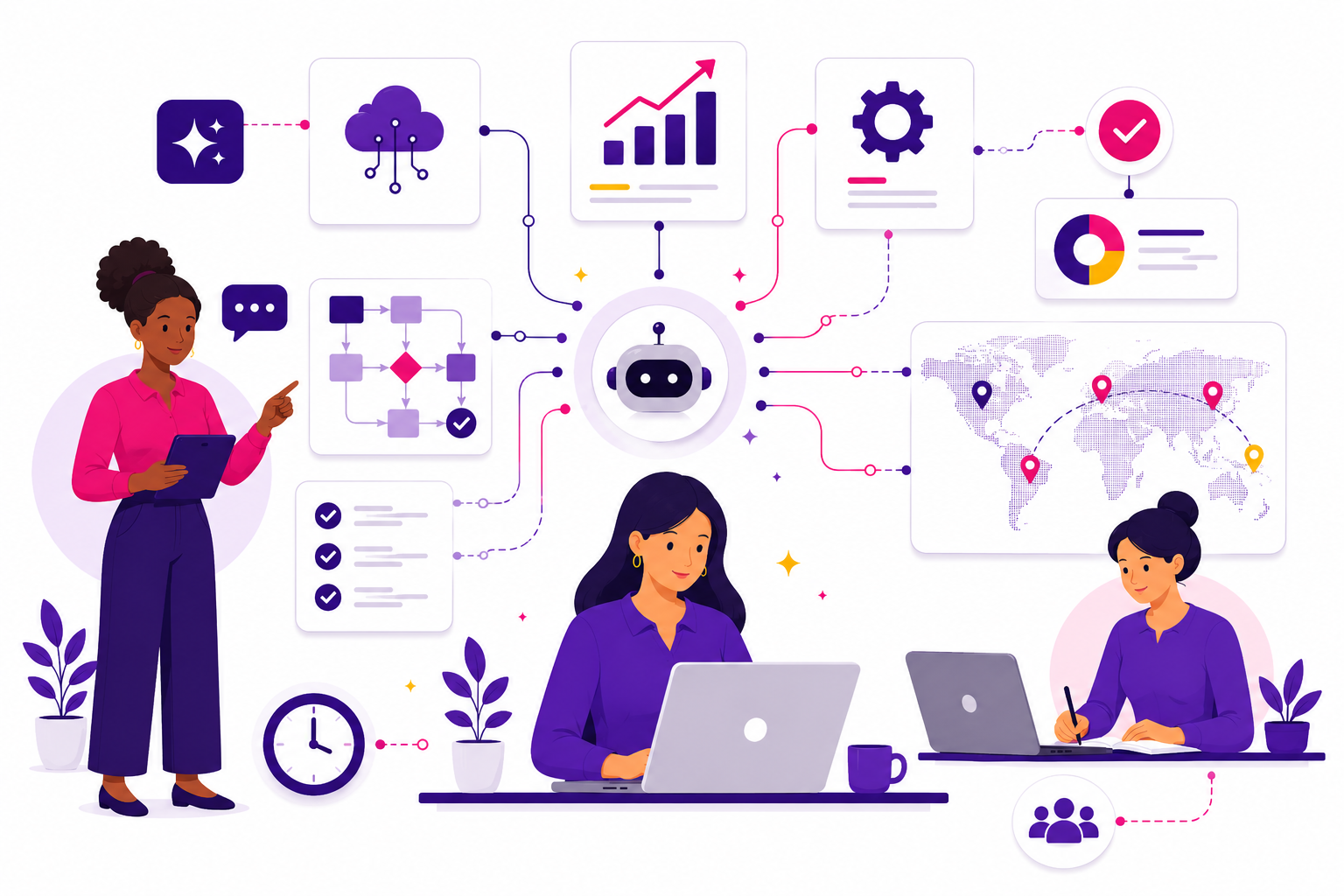
Across the placements we have made over the last year, a pattern keeps showing up. Remote hires who are not just doing their roles but quietly rebuilding how those roles work. Using AI to remove the repetitive parts, build new workflows, and hand back time that was previously spent on tasks that required effort but not judgment.
Three cases show what this looks like across different industries and functions.
How an Executive Operations Manager Automated Her Two Most Time-Consuming Workflows 📋
Role: Executive Operations Manager | Country: Pakistan 🇵🇰
Level: Junior (~2 years) | Compensation: 🇨🇦 CAD $1,161/month (Full-Time, 40 hrs/week)
Tools: Claude Cowork, Claude for Chrome, Notion
Who We Helped
A pre-seed fund for early-stage Australian founders building at the earliest, rawest stages of their companies. Frequent founder touchpoints, a lot of context to track, and a small operations team managing it all.
What They Needed
An Executive Operations Manager to support day-to-day operations, founder relationship management, and outreach coordination.
What She Built
Session briefs prepared automatically every other Monday. Zero manual effort. That is the outcome of the first workflow she built on her own.
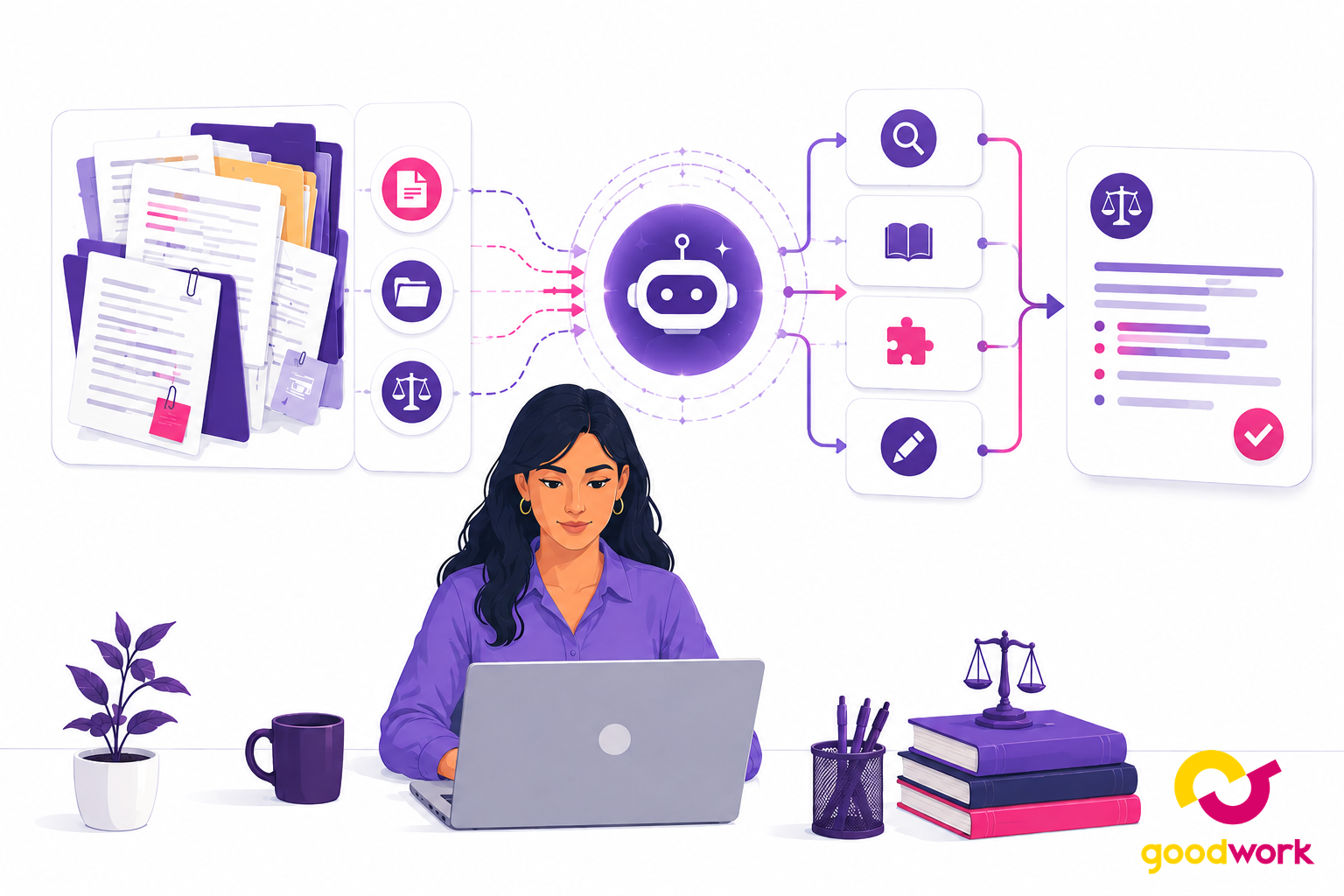
Her role included preparing briefing documents before every founder meeting: open the client file in Notion, find last week's notes, pull the action items, compile them into a clean document. She connected Claude Cowork to Notion, wrote a simple instruction set to do all of this automatically, and set it to run every other Monday. The only input she provides now is the list of names she wants sorted.
She built a second workflow for LinkedIn outreach. Her employer keeps a running list of potential partners and investors with their profiles. Using Claude for Chrome, she set it up to read the list, draft personalized messages, and queue them for review. She checks, adjusts, and sends.
Two recurring workflows, largely off her plate. Neither was requested.
How a Sales Team Went From 16 Hours of Prospecting to 2 📈
Role: Sales Development Representatives | Country: Pakistan 🇵🇰, Kenya 🇰🇪
Level: Intermediate (3-5 years experience) | Compensation: CAD $700-1,200/month (Full-Time, 40 hrs/week)
Tools: Clay, Apollo, Hunter, Instantly
Who We Helped
A holding company (holdco) with a portfolio of businesses running outbound prospecting across multiple markets. Small SDR team, high contact volume, and a workflow spread across too many tools.
What They Needed
Sales Development Representatives to identify target companies, source verified contacts, and run personalized outreach at scale.
What Changed
16 hours a week spent on prospecting. Now 2. Same team size. Three to four times the output.
Before the change, the team was working across Apollo, LinkedIn, SalesQL, Email Guard, Zero Bounce, Instantly, and SmartLeads. Each tool had its own login, its own export, its own step. Contacting around 500 people took close to two full days of manual work.
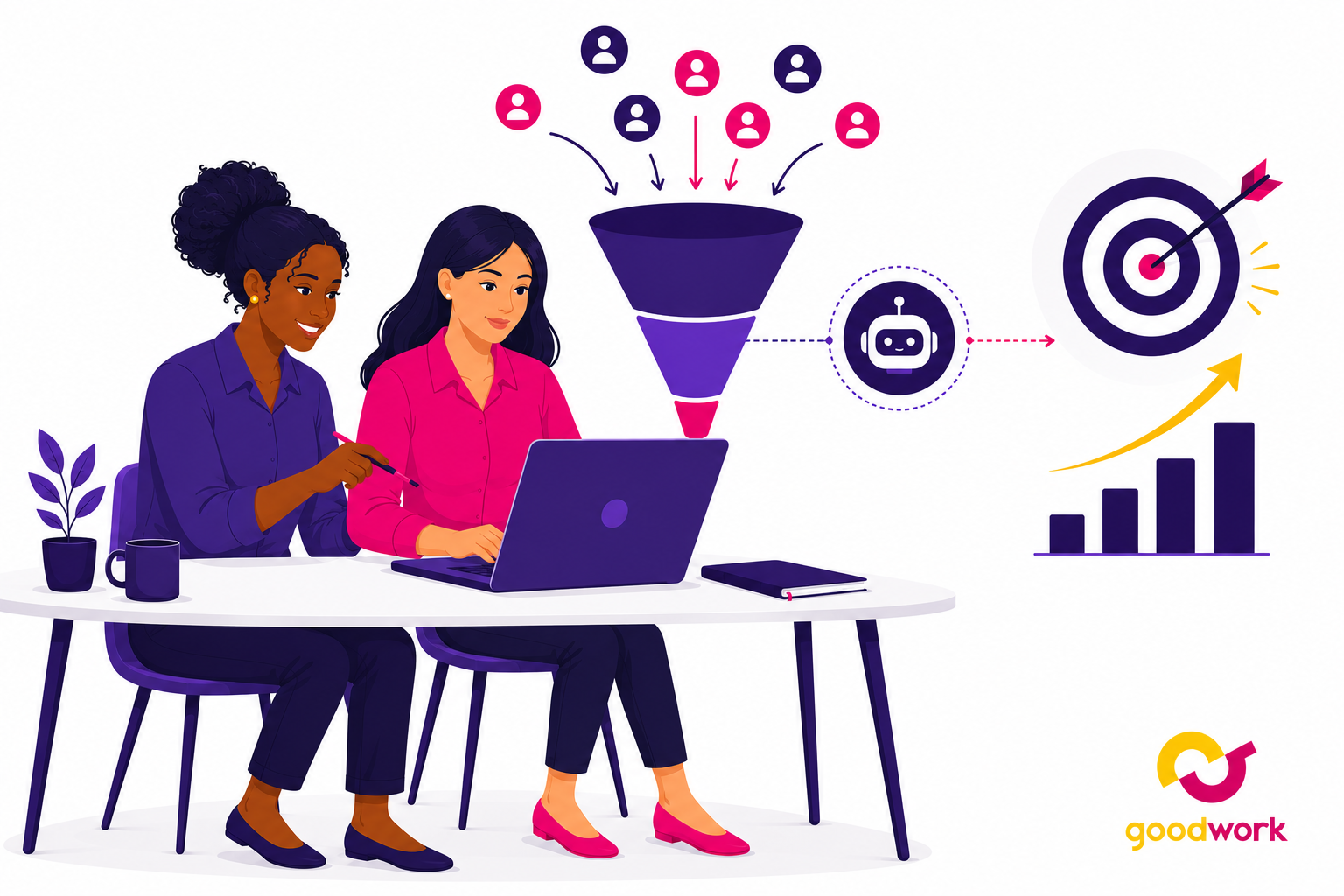
The shift came from treating the workflow the way an outbound sales engineer would. Using Clay, the team consolidated the entire process into one place. Clay identifies target companies based on hiring signals, revenue range, and industry. It enriches contact data, finds verified emails across multiple providers, and personalizes outreach copy based on each prospect's recent LinkedIn activity.
The SDRs are no longer working through spreadsheets and switching between tools. They are managing the automation and handling responses from interested leads.
The role did not change. What the role requires changed completely.
How a US Law Firm Made Senior Case Analysis Scalable with Junior Talent ⚖️
Role: AI-Powered Legal Admin Associates | Country: India 🇮🇳
Level: Intermediate (~4 years) | Compensation: 🇨🇦 CAD $800/month (Full-Time, 40 hrs/week)
Tools: ChatGPT, NotebookLM, Spellbook, Clio Manage
Who We Helped
A US tenant law firm focused on tenant rights, eviction defense, and housing-related legal issues. Small team. The attorney handled all senior case analysis because case analysis requires experience and judgment that takes years to build.
What They Needed
AI-Powered Legal Admin Associates to support case analysis, document preparation, and legal research — without requiring the years of experience the work had previously demanded.
What Changed
8 to 10 hours of case analysis down to 2 to 3. The firm went from 4 people to 16 in less than two years.
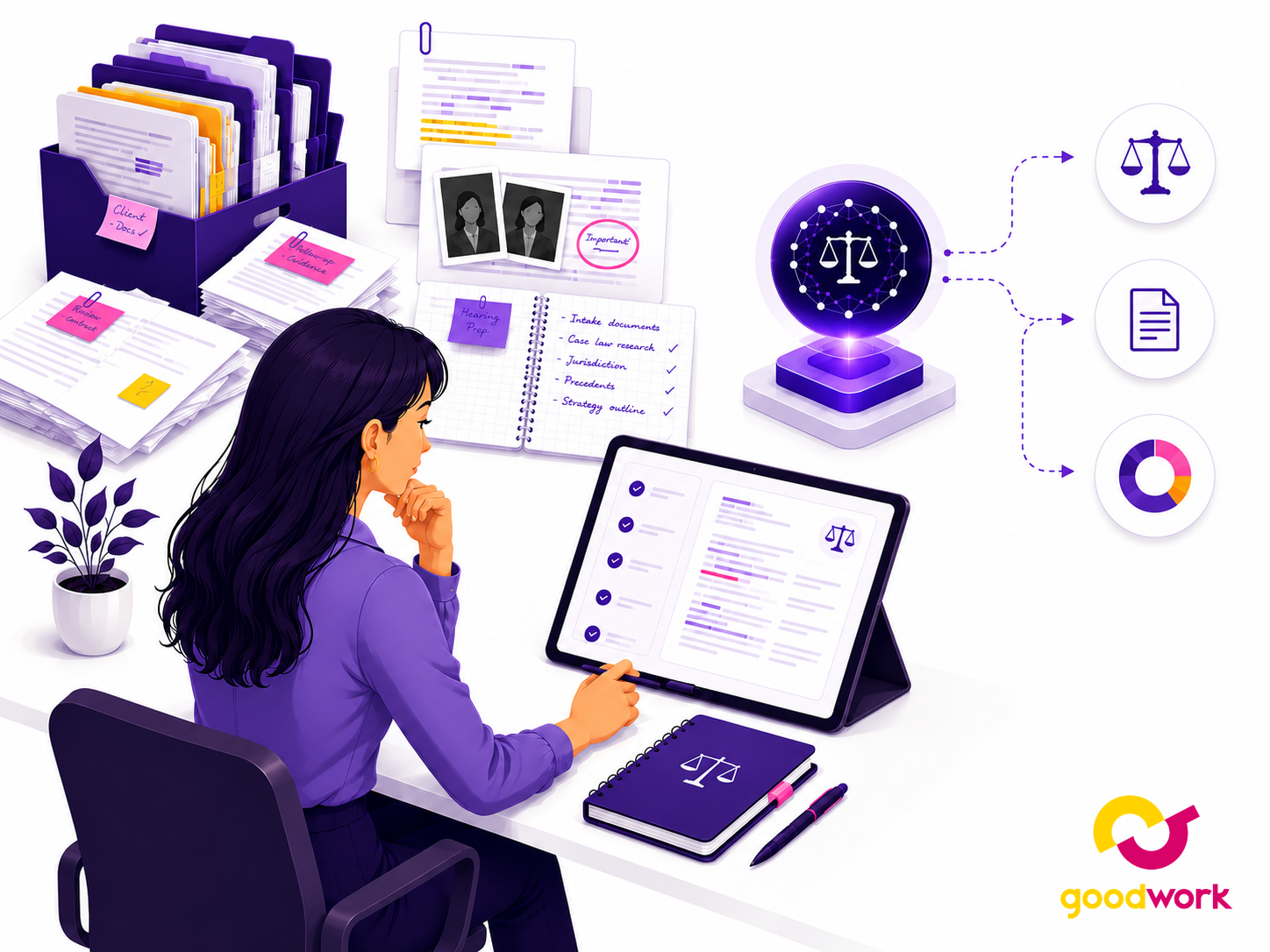
The shift started with documentation. The team mapped out exactly how the attorney thought through a case and turned it into a 29-step ChatGPT prompt sequence, now part of their SOPs. The sequence walks through the full analysis process: examine the evidence, cross-reference relevant case law, identify gaps, draft a preliminary memo. Each step prompts ChatGPT to do what the attorney would have done manually. Junior team members follow the sequence. The attorney reviews the output instead of producing it from scratch.
With that efficiency in place, the firm started hiring for these roles offshore. They posted the role as Legal Admin and received applications from lawyers with LLB degrees and litigation experience from India, Nigeria, and Kenya, professionals willing to take an admin title because the compensation was competitive in their markets.
The 29-step sequence did not replace senior judgment. It made senior judgment scalable.
Three different industries. Three different functions. The same pattern: someone documented how a repeating process actually worked, used AI to handle the execution, and moved from doing the work to reviewing the output. Volume increased. Quality held.
A hire who builds better systems in month three is materially more capable in month six. The longer they stay, the more leverage they create. For founders scaling without adding headcount, that compounding matters more than the output of any single task.
This Doesn’t Happen in a Vacuum
Some of the AI adoption happening across remote teams is self-directed. A significant part is also being shaped by what hires are learning alongside each other.
Through Goodwork's Talent Accelerator, placed hires meet regularly in small groups to work through real challenges, share what is working, and build on each other's approaches. Sessions run twice a month and cover a mix of soft and hard skills sourced directly from employer feedback and talent needs.
.png)
Over the past several months, sessions have covered:
• AI and automation tools: Clay, Claude Cowork, Claude Code — brought in as live use cases, not tutorials
• Personal operating systems for managing growing responsibilities
• Speed and efficiency habits: speech to text, Chrome shortcuts, typing speed
• How to lead without waiting for permission
• Ownership mindset: moving from task-taker to value-creator
Here is what employers and talent have shared:
“She responded very well to the session, appearing quite relieved and even excited. We’ve certainly seen marked improvement. Overall, we are quite pleased with the progress.” — Debi (Employer), Legal Industry, USA
“I’ve never been in anything like this before. It was fantastic. I felt like I had a mentor and other people to share my thoughts with. It’s genuinely comforting to know you’re not going the journey alone.” — I.S. (Talent), Customer Success Manager, Egypt
The hires doing the most interesting work with AI are not the ones who were told to use it. They are the ones who had somewhere to learn, apply, and compare notes with people doing similar work. That is what Goodwork’s Talent Accelerator is designed to be.
Looking to Add AI Leverage to Your Team?
The instinct is still to ask whether a remote hire can do the job. The cases above suggest a better question: will they improve it?
The founders seeing the most compounding value from remote hiring are the ones who brought on talent with clear ownership, measurable output, and room to build. Those are the hires who end up rebuilding workflows, cutting manual hours, and getting more valuable the longer they stay.
For a lot of EO founders, that kind of hire is closer than they think.
Goodwork is a Strategic Alliance Partner of EO Toronto, supporting founders building remote teams globally.
If you’re planning to explore remote hiring in Q2 2026, book your free consultation today -- we'd love to help. 🙂