

The Remote Hires Founders Trusted Most in Q1 2026🌍
Something shifted in how SMB founders approached remote hiring in Q1 2026 -- and it wasn't about cost-cutting.
The roles that moved remotely this quarter weren't the ones you'd expect. Not basic admin. Not task-based support. Founders were placing people in roles with real ownership: operations managers, senior marketers, finance leads, technical product managers. People they had to trust, not just task.
That's the pattern worth paying attention to.
Where Founders Actually Invested 📈
Across Q1, five categories dominated remote hiring decisions for SMBs. What's notable isn't just the roles themselves -- it's the seniority and scope attached to them.
Operations, Automation & AI 🧩
Founders weren't backfilling administrative gaps. They were hiring people who could look at how the business runs and improve it -- and increasingly, use automation and AI tooling to do it faster.

That meant Executive Operations Managers who owned cross-functional workflows, Operations Managers who reduced leadership overhead by building systems, and AI and automation specialists who applied modern tooling directly to business processes. Project managers scoped specifically to automation systems also fell into this category -- a role that barely existed in SMBs a few years ago.
The underlying theme: founders wanted to buy back time, but through structural improvement -- not just delegation.
Growth, Marketing & Creative 🎨
This was the largest and most varied category. Founders hired across the full marketing stack, including:
Growth & Performance

- Marketing strategists owning channel mix and positioning decisions
- Senior marketing managers running campaigns end-to-end
- Paid media and growth specialists managing spend and performance
- Social media marketing specialists
- Motion graphic designers handling creative production
- Marketing operations coordinators implementing and maintaining systems
- CRM and automation specialists -- managing pipelines, automations, and customer data
- WordPress designers and developers -- handling web presence as a marketing function
- SDRs -- outbound sales execution, often supporting founder-led growth motions
The through-line across these hires: founders weren't looking for executors to hand tasks to. They wanted people who could make judgment calls and own a channel or function independently.
Product & Delivery 🚀
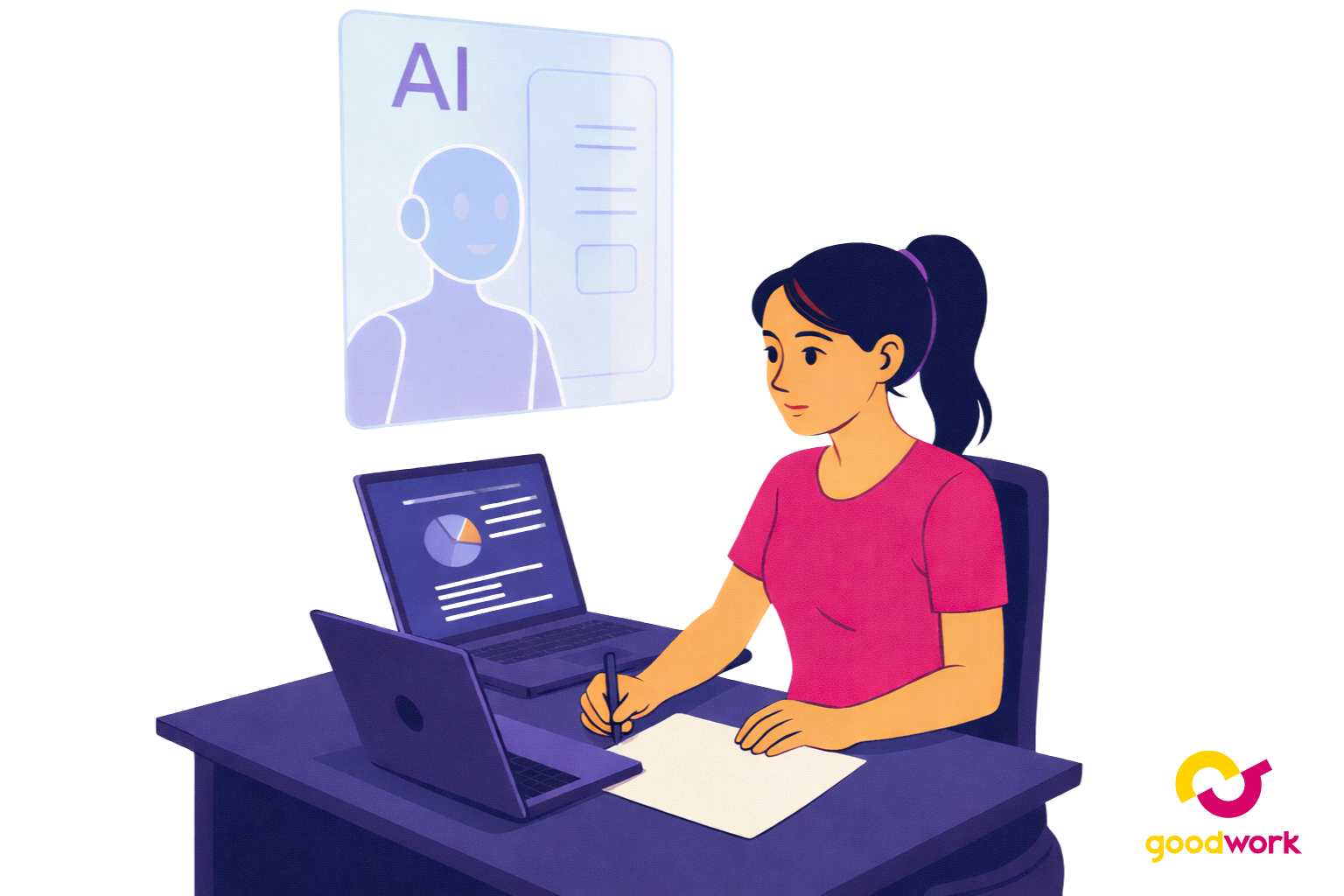
Founders hired the people responsible for shaping what gets built and ensuring it ships. This included Lead Product Designers, Senior Product Managers, QA Specialists, and Project Managers specifically scoped to AI and automation systems.
These roles sit at the intersection of business judgment and technical execution — and increasingly, founders were comfortable placing them remotely rather than assuming they had to be in the room.
Specialized & Domain-Specific Roles 📐
One of the more telling trends in Q1 was remote hiring expanding into roles that traditionally stayed in-house -- not because of cost, but because the right person simply wasn't available locally or full-time.

Senior electrical estimators, construction estimators, CAD technicians, technical support engineers, and data visualization specialists all appeared as remote placements this quarter. These are high-judgment roles with direct margin impact. Getting them wrong is expensive. The fact that founders were comfortable placing them remotely suggests a maturation in how SMBs think about remote trust.
Finance, People & Operations 💼
Founders made these hires to bring structure and visibility into businesses that had been running lean. Rather than outsourcing fragmented tasks to different vendors, the pattern was consolidation — hiring experienced finance and HR professionals who could own an ongoing function.

That included finance managers, senior accountants,
senior bookkeepers, HR and people operations associates,
and combined finance and HR generalist roles. The goal wasn't
just compliance or payroll. It was having someone internally
accountable for how the business was tracking financially and operationally.
Where in the world, and what does it cost? 💸
Not all remote hiring looks the same from a cost perspective. Goodwork works across three affordability tiers, and founders typically match the tier to the role's seniority, required overlap hours, and how closely the hire needs to collaborate with leadership.

- Tier 1: Nigeria, Egypt, Pakistan, Bangladesh, Sri Lanka -- offer the most accessible price points.
- Tier 2: India, Philippines, Indonesia, Malaysia, Kenya -- tends to attract strong mid-senior talent with broad English fluency and established remote work culture.
- Tier 3: LATAM and Eastern Europe -- typically suits roles requiring closer time zone alignment with North American teams, or where specific regional expertise matters.
The tiers aren't a quality ranking. They reflect compensation norms by region, not capability.
The seniority shift is the real story
Zoom out across all five categories and a consistent thread emerges: the roles going remote in Q1 were not entry-level or purely task-based. They were senior, specialized, or both.
That's a meaningful change from how remote hiring was treated even a few years ago, when it skewed heavily toward support and execution at the lower end of the org chart. Founders are now using remote talent to fill roles they genuinely couldn't fill locally -- or couldn't afford to fill locally -- at the level of seniority they actually needed.
What this means if you're thinking about your next hire
The instinct is still to default to local for anything that feels important. But the Q1 pattern suggests founders are rethinking where that line sits -- not for every role, but specifically for roles where output is measurable, scope is clear, and trust can be built over time.
The question isn't whether remote works. It's which roles in your business have clear enough ownership that a great remote hire could genuinely run them.
For a lot of EO founders, the answer to that question is probably longer than they think.
Goodwork is a Strategic Alliance Partner of EO Toronto, supporting founders building remote teams globally.
If you’re planning to explore remote hiring in Q2 2026, book your free consultation today -- we'd love to help. 🙂